
Capturing a great portrait is an art — it’s about emotion, lighting, and most importantly, the right lens. Whether you’re shooting professional headshots or lifestyle portraits, choosing the best lens for portrait photography can make the difference between an average photo and a masterpiece.
This guide will help you understand what makes a lens perfect for portraits, which focal lengths to use, and the top portrait lenses in 2026 across major brands like Canon, Nikon, and Sony.
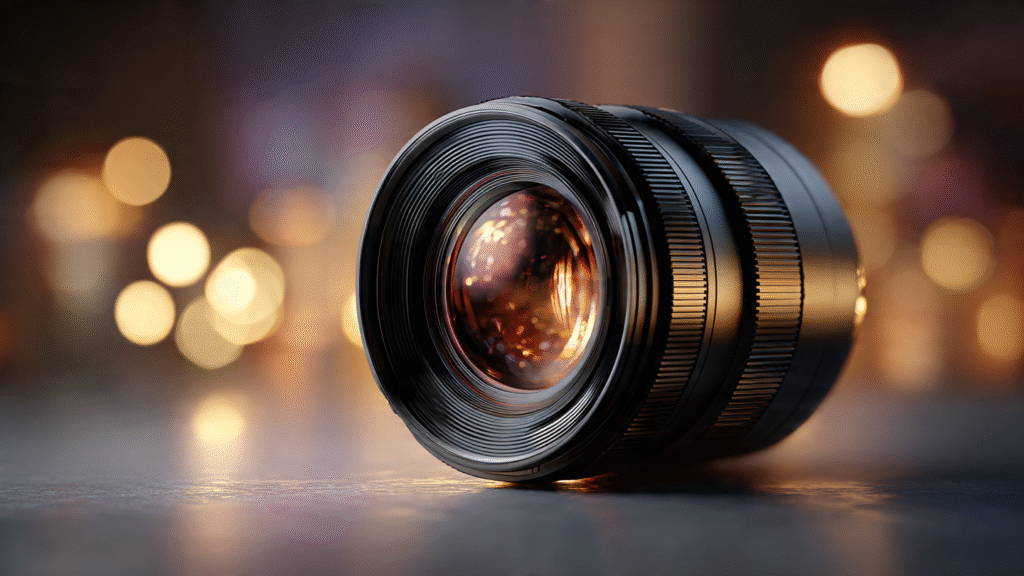
Why Lens Choice Matters in Portrait Photography
Portrait photography is all about focusing attention on your subject while keeping the background pleasingly blurred.
The lens determines:
- Depth of field (how much of the image is in focus)
- Perspective (how your subject appears in relation to the background)
- Bokeh quality (smoothness of background blur)
A great portrait lens isolates your subject, provides sharp details, and delivers creamy bokeh that makes your photos stand out.
Prime vs. Zoom Lenses for Portraits
🔹 Prime Lenses
- Fixed focal length (e.g., 50mm, 85mm)
- Typically sharper and faster (wide apertures like f/1.4, f/1.8)
- Ideal for professional portrait work
Best for: Studio portraits, controlled lighting setups, and bokeh lovers.
🔹 Zoom Lenses
- Variable focal length (e.g., 24–70mm, 70–200mm)
- More flexible for framing and different environments
- Slightly less sharp but highly versatile
Best for: Events, weddings, and outdoor portraits.
Ideal Focal Lengths for Portrait Photography
Different focal lengths give different results:
- 35mm: Great for environmental portraits, storytelling shots.
- 50mm: Classic “nifty fifty,” natural perspective, excellent for beginners.
- 85mm: Most popular portrait focal length — flattering compression and smooth bokeh.
- 105mm–135mm: Perfect for headshots and close-up portraits with creamy background blur.
Best Lenses for Portrait Photography in 2026
Here are the top lenses that deliver exceptional results:
1. Canon RF 85mm f/1.2L USM
- Stunning sharpness and bokeh.
- Premium build, perfect for professionals.
- Best choice for Canon mirrorless users.
2. Sony FE 85mm f/1.4 GM II
- Superb subject separation.
- Fast autofocus and lightweight.
- Excellent for both studio and outdoor portraits.
3. Nikon Z 85mm f/1.8 S
- Affordable yet incredibly sharp.
- Great color rendition and skin tones.
- Ideal for Nikon mirrorless shooters.
4. Sigma 50mm f/1.4 DG DN Art
- Works with multiple mounts.
- Razor-sharp and beautiful bokeh.
- Great balance between price and performance.
5. Tamron 70–180mm f/2.8 Di III VXD G2
- Zoom flexibility with strong compression.
- Perfect for fashion and wedding portraits.
- Lightweight and affordable alternative to Sony G Master.
Tips for Capturing Better Portraits
- Use wide apertures (f/1.4 – f/2.8) for blurred backgrounds.
- Focus on the eyes — they’re the soul of the portrait.
- Shoot in soft natural light or use a reflector for balanced lighting.
- Keep the background clean and uncluttered.
- Experiment with angles and compositions.
FAQs About Portrait Lenses
Which lens is best for beginners in portrait photography?
A 50mm f/1.8 lens is affordable, lightweight, and delivers professional-quality results.
Are zoom lenses good for portraits?
Yes, especially the 70–200mm f/2.8, which gives flattering compression and flexible framing.
What is the sharpest lens for portraits?
The Canon RF 85mm f/1.2L and Sony 85mm f/1.4 GM II are industry leaders for sharpness and bokeh.
Is 35mm good for portraits?
Yes, but it’s best for full-body or environmental portraits where you want context around the subject.
Conclusion: Choosing the Best Lens for Portrait Photography
The best lens for portrait photography depends on your camera system, shooting style, and budget.
- For professionals: Canon RF 85mm f/1.2L or Sony 85mm f/1.4 GM II
- For budget users: Nikon Z 85mm f/1.8 S or 50mm f/1.8 across brands
- For flexibility: Tamron 70–180mm f/2.8 G2
No matter which you choose, focus on your subject’s emotion and lighting — that’s what turns a good portrait into a great one. Also, read about Best Running Shoes for Flat Feet.
Disclaimer: This article is for informational and educational purposes only. Always test a lens in real conditions before purchasing, as preferences vary by shooting style and camera system.